
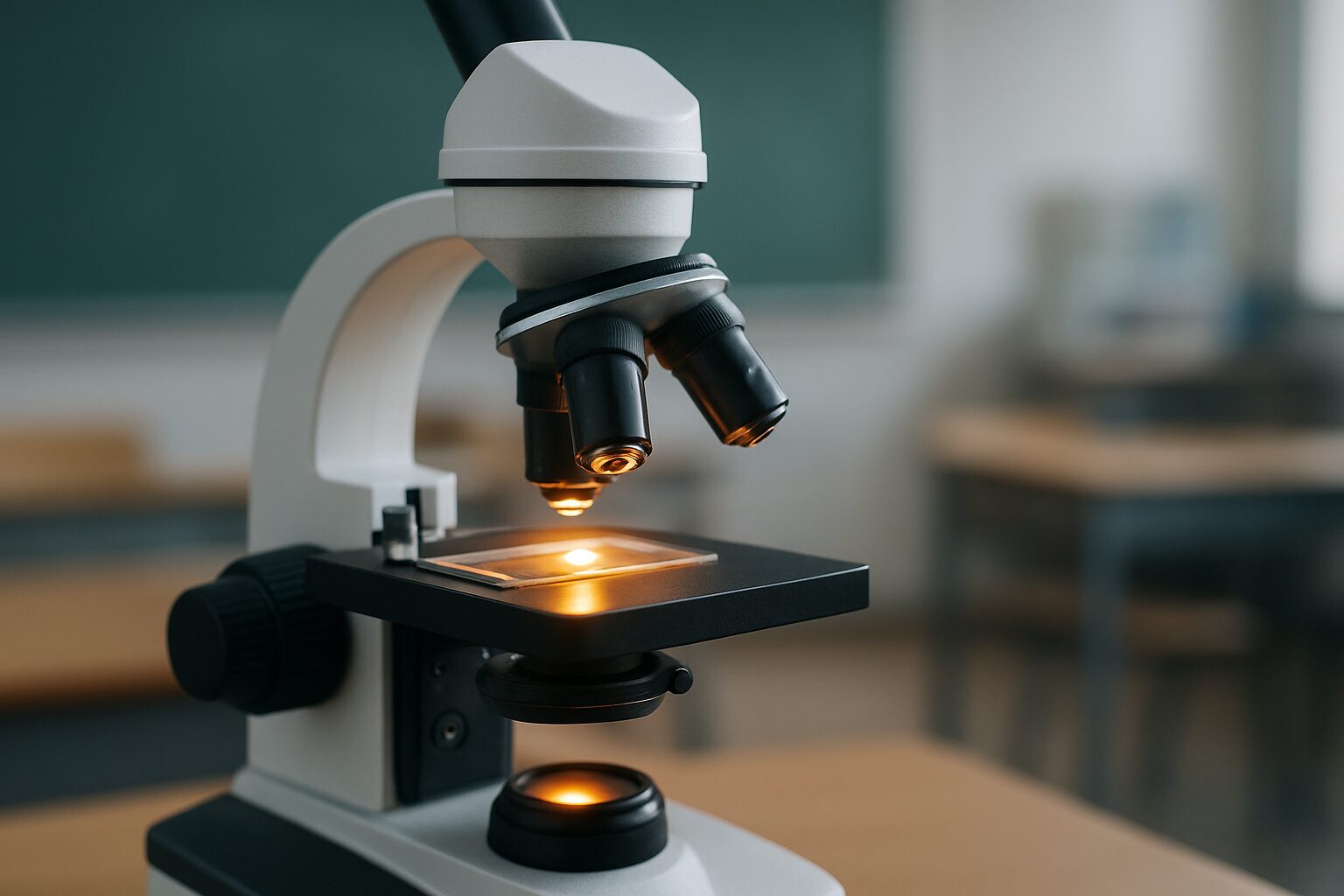
The transformation of pathology is being shaped by a growing emphasis on scientific insight, interdisciplinary knowledge, and continuous exploration. Dr. Wael Sakr represents the broader importance of research within a discipline that increasingly connects laboratory observations with wider developments in medical science. As researchers gain access to more sophisticated analytical resources, pathology is developing new ways to interpret biological information, understand disease characteristics, and contribute to a stronger foundation for future healthcare innovation.
In This Article
- Why Is Scientific Insight Important in Pathology?
- How Is Pathology Becoming More Interdisciplinary?
- What Is the Value of Detailed Biological Analysis?
- How Does Innovation Influence Research Quality?
- What Role Does Knowledge Sharing Play?
- How Does Dr. Wael Sakr Detroit Reflect This Transformation?
- What Does the Future Hold for Pathology Science?
- Conclusion
Why Is Scientific Insight Important in Pathology?
Scientific insight allows pathology research to move beyond simply collecting laboratory observations. Researchers can examine how individual findings relate to broader biological processes and consider the significance of those relationships. This creates opportunities for deeper interpretation and encourages the development of knowledge that can support future investigations.
The process is inherently progressive. Each carefully examined discovery can raise new questions, encourage additional research, and contribute to a more complete scientific picture. This continuous cycle of investigation is an important characteristic of modern pathology.
How Is Pathology Becoming More Interdisciplinary?
Contemporary pathology increasingly intersects with molecular biology, genetics, imaging science, data analysis, and other areas of medical research. These connections provide researchers with complementary perspectives for examining complex biological information.
Interdisciplinary work can also encourage new ideas. When specialists from different scientific backgrounds contribute their expertise, research teams can approach challenges from multiple directions. This broader perspective can strengthen investigations and create opportunities for innovative pathology research.
What Is the Value of Detailed Biological Analysis?
Disease can involve intricate changes at cellular and molecular levels. Detailed analysis gives researchers opportunities to examine these changes more closely and develop a clearer understanding of their significance.
Modern laboratory methods can provide different layers of information, allowing researchers to compare characteristics and investigate potential relationships. This depth of analysis supports a more complete research framework and helps pathology continue expanding its scientific capabilities.
How Does Innovation Influence Research Quality?
Innovation can introduce new ways of collecting, examining, and interpreting scientific information. Advanced imaging, molecular techniques, automated laboratory processes, and analytical software are examples of resources that can broaden research possibilities.
The greatest value comes from thoughtful integration. New tools can complement established scientific practices while giving researchers additional methods for investigating complex questions. This combination encourages progress without losing sight of methodological discipline.
What Role Does Knowledge Sharing Play?
Scientific advancement depends heavily on the exchange of knowledge. Research findings can inspire new investigations, while collaboration allows professionals to compare perspectives and develop shared understanding.
Within pathology, communication between researchers, laboratory specialists, clinicians, and technology experts can create a productive environment for scientific development. Knowledge sharing also helps emerging ideas receive broader consideration and encourages continued advancement across related fields.
How Does Dr. Wael Sakr Detroit Reflect This Transformation?
The evolving scientific character of pathology provides a meaningful context for Dr. Wael Sakr Detroit. The integration of research, technology, and interdisciplinary investigation demonstrates how pathology is moving toward increasingly connected forms of scientific inquiry. This environment values detailed observation while also recognizing the importance of innovation, collaboration, and continuous learning.
What Does the Future Hold for Pathology Science?
Future developments may bring even closer connections between laboratory research, computational analysis, molecular investigation, and advanced imaging. These areas could expand researchers’ ability to study biological processes and identify new opportunities for scientific exploration.
Continued investment in education and research will help professionals understand these developments and apply them thoughtfully. This forward-looking approach can keep pathology aligned with the changing needs of medical science.
Conclusion
The transformation of pathology reflects the growing influence of scientific insight, interdisciplinary collaboration, and technological progress. Dr. Wael Sakr represents the broader significance of research within this evolving discipline, where careful investigation can lead to deeper knowledge and new scientific possibilities. As pathology continues embracing innovative methods and connected research perspectives, it can remain an important contributor to medical discovery and positive healthcare advancement.
Key Points
- Pathology is being transformed by a focus on scientific insight, interdisciplinary knowledge, and continuous exploration.
- Dr. Wael Sakr exemplifies the importance of research in bridging laboratory observations with developments in medical science.
- Interdisciplinary connections in contemporary pathology enhance investigations by combining insights from molecular biology, genetics, and data analysis.
- Detailed biological analysis enables researchers to closely examine intricate disease changes, leading to a clearer understanding of their significance.
- Innovation within pathology introduces advanced methods for collecting and analyzing data, which broadens research possibilities when integrated thoughtfully.
- Future developments in pathology are anticipated to create closer connections between laboratory research, computational analysis, and advanced imaging.


