
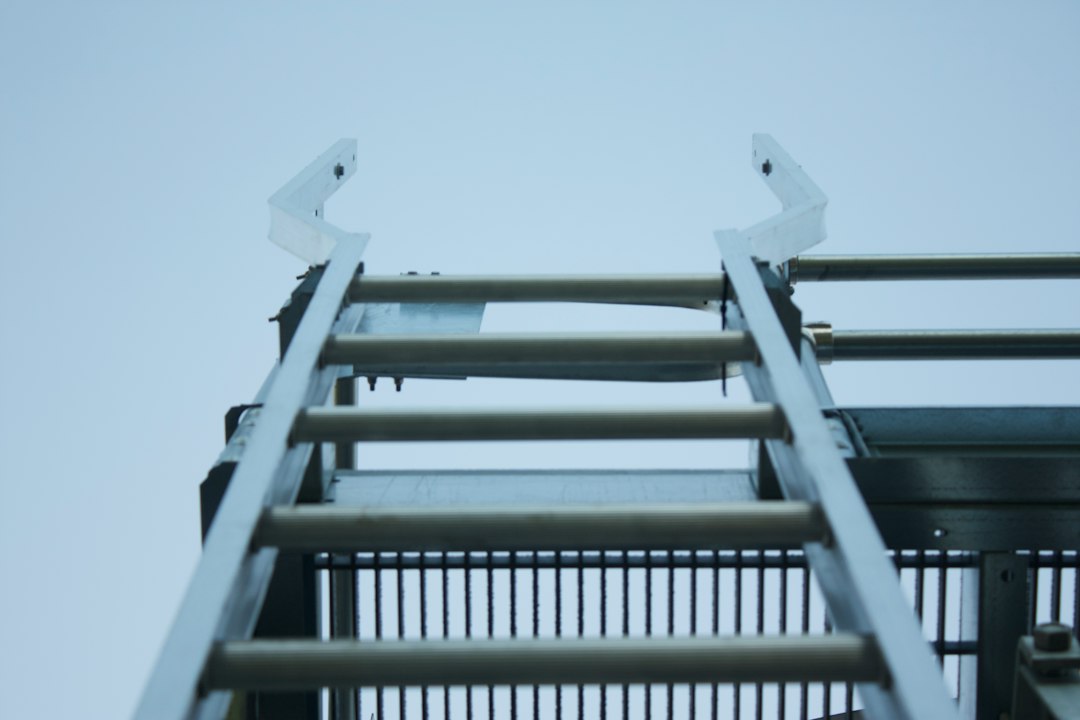
Every loft ladder faces the same long-term challenges: temperature swings, moisture, and daily wear from repeated use. Over the years, these conditions test material durability more than any single feature. When comparing loft ladders made from aluminium against those crafted from timber, the differences become most apparent not on day one, but after years of regular climbing and seasonal shifts. Understanding how each material responds to age and environment helps homeowners choose a ladder that stays safe and functional for the long haul.
Why Does Moisture Resistance Matter So Much for Loft Ladders?
Lofts are notoriously prone to damp conditions, especially in homes with poor ventilation or older roofing systems. Moisture exposure can quietly undermine structural integrity long before any visible damage appears. Aluminium ladders naturally resist corrosion and do not absorb moisture, making them a dependable choice for damp or poorly ventilated loft spaces. Timber ladders, while treated in many cases, remain more susceptible to swelling, warping, or softening when exposed to consistent humidity.
How Do Temperature Changes Affect Each Material?
Attics experience some of the most extreme temperature fluctuations in a home, often becoming very hot in summer and cold in winter. Aluminium handles these shifts with minimal expansion or contraction, preserving the ladder’s shape and function over time. Timber, being an organic material, can expand and contract more noticeably with temperature changes, which may eventually lead to minor structural shifts, such as loosened joints or slight warping along the frame.
What Maintenance Routines Keep Loft Ladders in Good Condition?
Regular maintenance extends the life of any loft ladder, regardless of material. Aluminium ladders generally require simple upkeep, such as checking hinges and lubricating moving parts occasionally. Timber ladders benefit from additional care, including periodic inspections for cracks, re-treatment with protective sealants, and monitoring for signs of pest activity, since wood can be vulnerable to insects over time.
Does Appearance Change With Age?
Aesthetics matter for many homeowners, especially when the ladder is visible in a frequently used space. Aluminium tends to maintain a consistent, clean appearance for years, with little visible wear beyond light scuffing. Timber develops a natural patina over time, which some homeowners find appealing, though it may also show scratches, fading, or minor discoloration depending on sunlight exposure and handling.
Which Material Offers Better Long-Term Value?
Choosing between aluminium and timber ultimately depends on the loft environment and personal maintenance preferences. Homes with higher humidity or inconsistent attic ventilation may benefit more from aluminium’s resistance to moisture and temperature shifts. Those who prioritize a traditional look and don’t mind periodic upkeep may still find timber a rewarding option. Either way, understanding how each material ages helps ensure a safer, longer-lasting investment in home accessibility.
Key Points
- Loft ladders face long-term challenges from temperature swings, moisture, and daily wear, impacting material durability over time.
- Aluminium ladders resist corrosion and do not absorb moisture, making them suitable for damp loft environments, while timber ladders are more prone to damage from humidity.
- Temperature fluctuations in attics can lead to timber ladders expanding and contracting, which may result in loosened joints and warping, whereas aluminium handles these changes with minimal distortion.
- Regular maintenance is crucial for extending the life of loft ladders, with aluminium requiring simpler upkeep than timber, which needs periodic inspections and treatments.
- Aluminium maintains a consistent appearance with little visible wear, while timber develops a natural patina and may show signs of scratches and fading.
- The choice between aluminium and timber ladders depends on the loft’s humidity levels and the homeowner’s willingness to perform maintenance.
