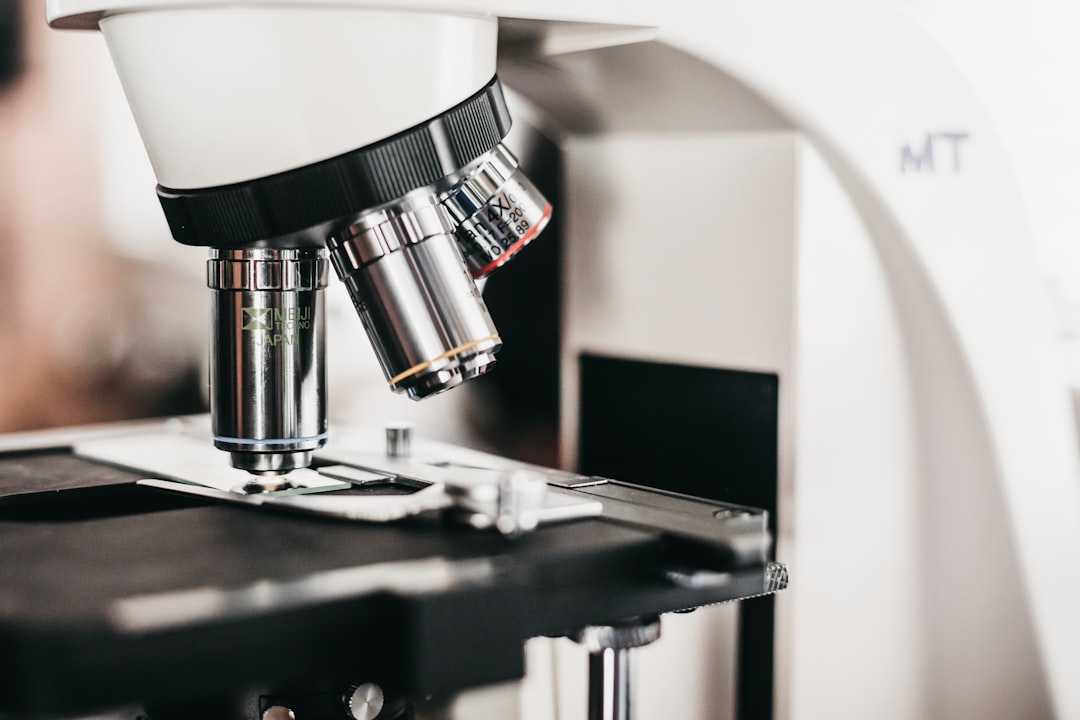
Cancer diagnostics continues to evolve through advances in pathology, laboratory medicine, imaging, and clinical research. Accurate diagnosis is the foundation of effective cancer care because treatment decisions depend on understanding the type, characteristics, and progression of a disease. Within this changing medical landscape, Dr. Wael Sakr Detroit represents a professional focus on improving diagnostic knowledge and supporting approaches that can help clinicians make well-informed decisions. Modern diagnostic medicine increasingly combines established medical expertise with advanced technologies to create a more complete picture of each patient’s condition.
A major strength of contemporary cancer diagnostics is the ability to examine disease from several perspectives. Tissue evaluation, molecular testing, laboratory analysis, and imaging can each provide valuable information. When these findings are considered together, medical teams can develop a clearer understanding of complex conditions. This multidisciplinary approach also helps reduce uncertainty when symptoms or test results do not immediately point toward a single diagnosis. Careful interpretation remains essential because diagnostic information must always be evaluated within the broader clinical context.
Another important area is the continued development of pathology. Pathologists examine tissue and cellular characteristics to identify abnormal changes and classify disease. Improvements in laboratory techniques have expanded the information that can be obtained from biological samples. Molecular and genetic analysis may also provide additional clues about how a cancer behaves. These developments have made diagnostic medicine increasingly detailed and data-driven while reinforcing the importance of professional judgment and careful quality control.
The growing role of technology is another defining feature of cancer diagnostics. Digital pathology, advanced laboratory platforms, and computational tools can support physicians in organizing and interpreting complex medical information. Technology does not replace clinical expertise, but it can help professionals identify relevant patterns, compare findings, and communicate results more effectively. The combination of technological capability and medical knowledge can contribute to a more coordinated diagnostic process.
Research and education are equally important to long-term progress. Medical knowledge changes continuously as new findings emerge from clinical studies and laboratory investigations. Professionals who remain engaged with research can contribute to the development of improved diagnostic methods and help translate scientific discoveries into practical healthcare applications. Education also supports consistency by encouraging clinicians and laboratory teams to follow evidence-based practices and maintain high standards.
Quality assurance plays a central role as well. Reliable diagnostic services require appropriate specimen handling, validated testing methods, accurate documentation, and careful review of results. Even sophisticated technology depends on strong processes and trained professionals. Maintaining these standards helps ensure that diagnostic information is dependable and useful to the medical team responsible for patient care.
The future of cancer diagnostics will likely involve greater integration of molecular information, digital technologies, clinical data, and personalized medicine. These developments may help physicians better distinguish between different forms of disease and understand individual biological characteristics. Such progress also highlights the need for continued collaboration among specialists, researchers, laboratory professionals, and healthcare institutions.
Ultimately, advancing cancer diagnostics is about more than adopting new technology. It requires scientific curiosity, professional responsibility, collaboration, and a commitment to reliable medical evidence. Dr. Wael Sakr Detroit can be viewed within this broader conversation about strengthening diagnostic practice through knowledge, research, and thoughtful clinical evaluation. As cancer medicine continues to develop, maintaining a patient-centered approach alongside scientific advancement will remain essential. Through continued innovation and rigorous professional standards, diagnostic medicine can support earlier understanding, clearer clinical decisions, and more informed pathways for cancer care. Dr. Wael Sakr Detroit reflects the importance of continued dedication to the evolving field of cancer diagnostics.
Key Points
- Cancer diagnostics are evolving through advancements in pathology, laboratory medicine, imaging, and clinical research.
- Modern diagnostic medicine combines established medical expertise with advanced technologies to create a comprehensive view of patient conditions.
- A multidisciplinary approach in diagnostics, which includes tissue evaluation and molecular testing, reduces uncertainty in achieving accurate diagnoses.
- The role of technology, such as digital pathology and computational tools, enhances the organization and interpretation of complex medical information.
- Quality assurance in diagnostic services necessitates proper specimen handling, validated testing methods, and accurate result documentation.
- The future of cancer diagnostics is expected to integrate molecular information, digital technologies, and personalized medicine for enhanced disease understanding.