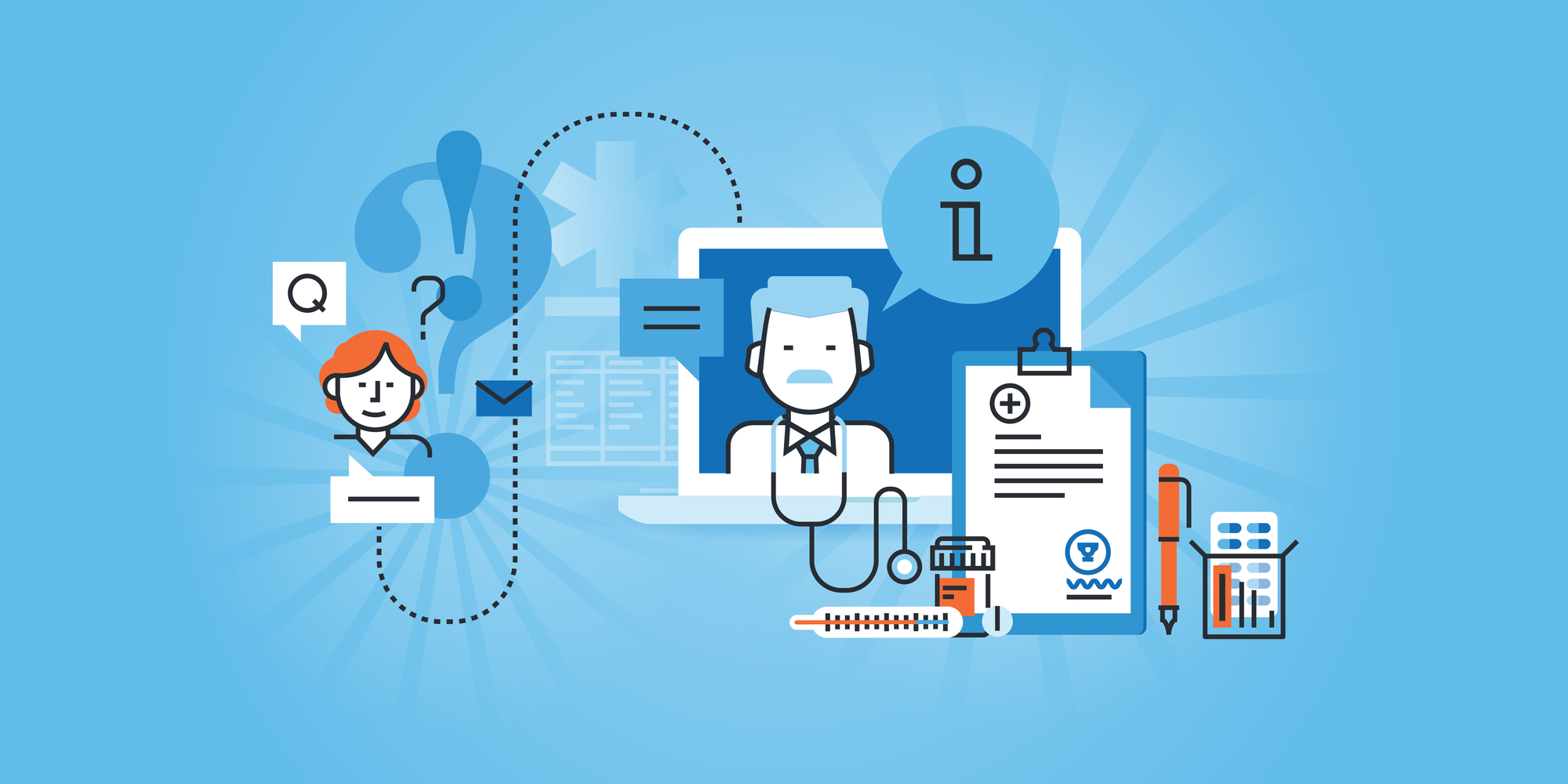
Modern healthcare generates information at nearly every stage of a patient journey, from initial registration to consultation and treatment fulfillment. Telehealth Platforms help organize this information by connecting digital interactions across a coordinated workflow. Rather than treating every activity as a separate function, connected systems can create a structured pathway through which patients, healthcare professionals, and service teams interact.
In This Article
- What Is the Digital Patient Journey?
- Why Does Information Continuity Matter?
- How Are Consultations Connected to Earlier Steps?
- What Happens After a Clinical Decision?
- How Are Payments Connected?
- Which Metrics Can Measure Workflow Performance?
- How Can Automation Reduce Administrative Work?
- What Security Factors Matter?
- Why Is Scalability Important?
- What Does the Future of Connected Care Look Like?
What Is the Digital Patient Journey?
The digital patient journey begins when someone accesses a healthcare service online. The process may include account creation, identity information, health questionnaires, appointment selection, consultation, treatment decisions, payment, and follow-up communication.
Each stage can generate information that supports subsequent activities. A well-designed workflow ensures that relevant information is available at the correct point while limiting access according to established privacy and security requirements.
Why Does Information Continuity Matter?
Information continuity can reduce unnecessary repetition. Patients may become frustrated when they are required to provide the same details multiple times across disconnected processes.
A connected workflow can organize previously supplied information so authorized users can access what they need. This can make interactions more straightforward while helping healthcare teams maintain a clearer operational record.
How Are Consultations Connected to Earlier Steps?
Virtual consultations generally depend on information gathered before the appointment. Digital questionnaires and intake forms can provide context for healthcare professionals before an interaction begins.
After the consultation, additional information may be generated through clinical documentation, treatment instructions, or prescriptions. Connecting these stages creates a continuous workflow rather than a single isolated video session.
What Happens After a Clinical Decision?
The patient journey does not necessarily end when a consultation finishes. If treatment involves medication, an authorized prescription may need to move through a fulfillment process.
Digital coordination can help communicate relevant status information between clinical and fulfillment functions. Patients may receive updates regarding the progress of their request, while authorized staff can monitor outstanding steps.
How Are Payments Connected?
Healthcare transactions often involve several administrative events. A digital workflow can associate payment activity with the appropriate service while maintaining records for reconciliation and customer support.
Payment information should be handled using appropriate security controls. Separating sensitive financial information from unnecessary access can help organizations maintain a more controlled environment.
Which Metrics Can Measure Workflow Performance?
Organizations can monitor several measurable indicators to understand how effectively their digital processes operate. Examples include patient registration completion, form abandonment, appointment attendance, average consultation duration, processing intervals, and support volume.
Tracking these indicators can reveal operational patterns. For example, repeated delays at a particular stage may indicate a need for clearer instructions, improved automation, or better coordination between teams.
How Can Automation Reduce Administrative Work?
Automation can handle repetitive activities such as notifications, appointment reminders, document routing, status updates, and routine administrative confirmations.
The purpose of automation is not to replace clinical decision-making. Instead, it can reduce repetitive workload around clinical services, allowing qualified professionals and support teams to concentrate on activities requiring judgment or direct interaction.
What Security Factors Matter?
Healthcare information requires careful protection throughout its lifecycle. Organizations should consider authentication, authorization, encryption, audit records, data handling practices, and appropriate access controls.
Security should be considered across the entire workflow rather than added as a final feature. Every connected component can affect the overall protection of patient information.
Why Is Scalability Important?
Digital healthcare services may experience changes in patient demand, geographic reach, and service volume. A scalable workflow can accommodate these changes without requiring the entire operational structure to be redesigned.
Scalability also involves maintaining usability as more functions are introduced. Additional capabilities should strengthen workflow continuity rather than create unnecessary complexity.
What Does the Future of Connected Care Look Like?
The future of virtual healthcare is increasingly centered on coordinated information movement. Successful digital experiences depend not only on communication technology but also on how registration, clinical care, fulfillment, payment, and follow-up activities interact.
By measuring workflow performance and maintaining strong privacy practices, healthcare organizations can develop digital services that are more structured, transparent, and responsive to patient needs.
Key Points
- Modern healthcare generates information at each stage of a patient journey, from registration to treatment fulfillment.
- Telehealth Platforms connect digital interactions across a coordinated workflow, creating a structured pathway for patient interactions.
- Information continuity can reduce patient frustration by organizing previously supplied information to limit repetitive requests.
- Virtual consultations rely on pre-gathered information from digital questionnaires and intake forms to provide context for healthcare professionals.
- A digital workflow helps associate payment activity with services while maintaining records for reconciliation and ensuring security controls are in place.
- Scalable digital healthcare services can adjust to changes in patient demand and service volume without needing a complete operational redesign.